
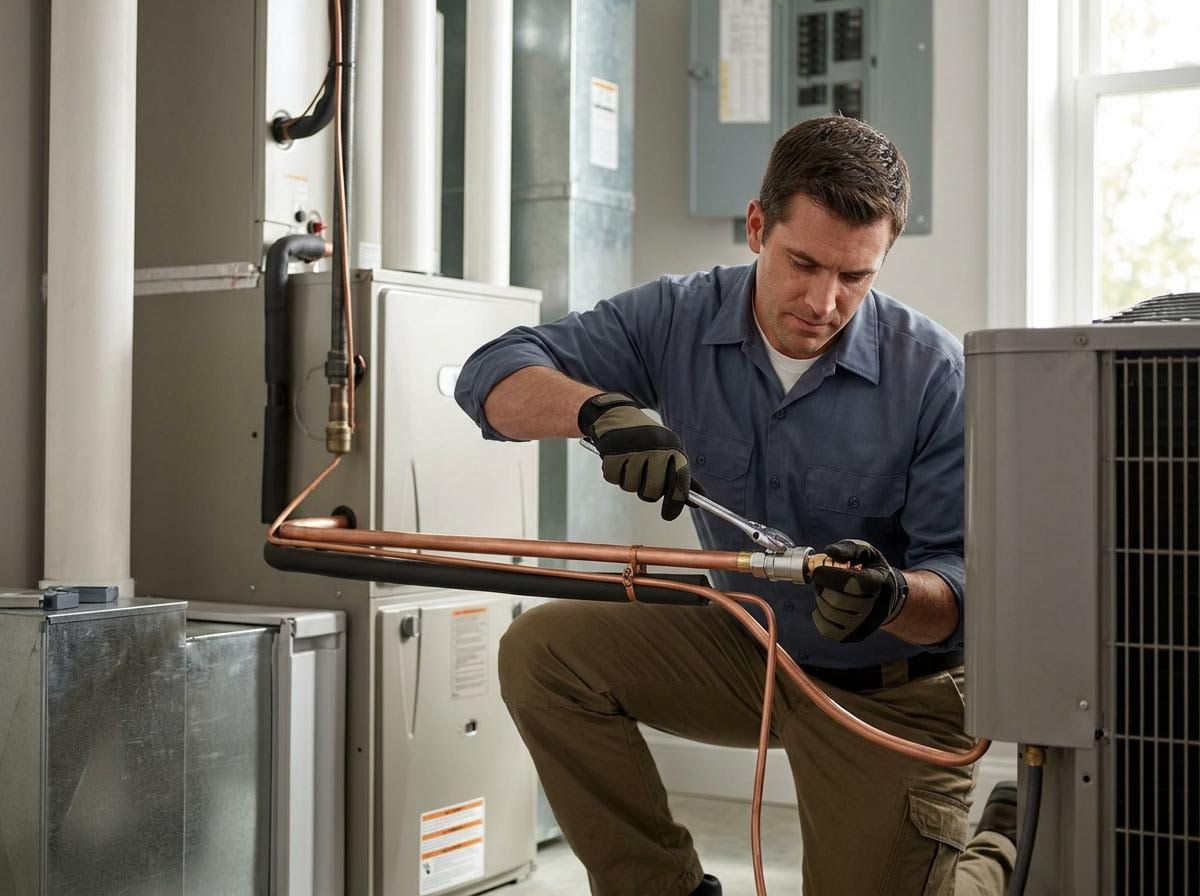
For decades, the HVAC industry has relied on traditional methods like brazing and flaring to connect refrigerant pipes and refrigerant lines, a process that can be time-consuming, hazardous, and inconsistent. As technology advances, a new era of connection methods is emerging, offering superior efficiency and safety for contractors and homeowners alike. SmartLock is at the forefront of this innovation, providing solutions that not only simplify installations but also significantly boost overall HVAC system performance through cutting-edge, no-flare technology.
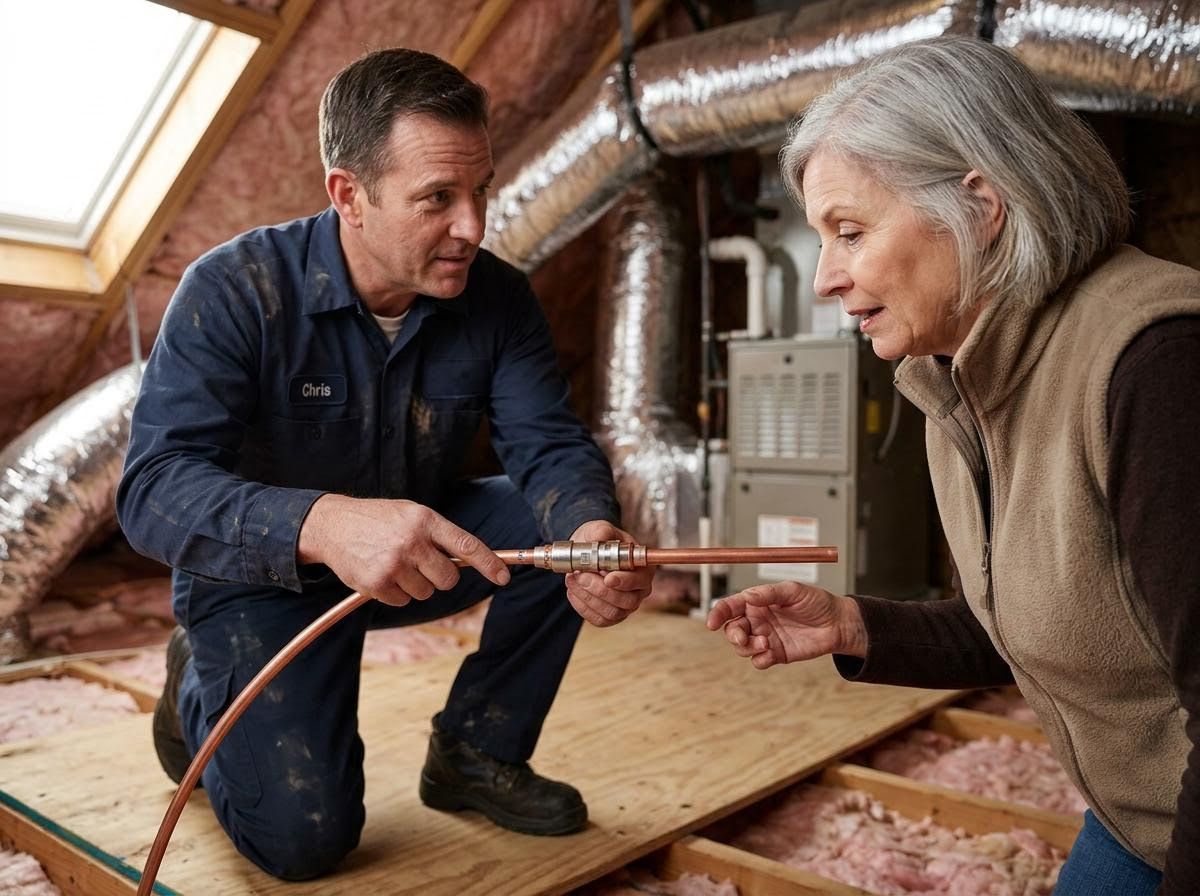
The Challenges of Traditional HVAC Connections
Traditional methods for joining copper and aluminum tubing, such as brazing and flaring, have long been the industry standard. However, these techniques come with a host of challenges. Brazing requires an open flame, posing significant safety risks, especially in confined spaces or dry environments, and often necessitating special permits and equipment. Flaring, while not using an open flame, relies heavily on the skill and precision of the installer, leading to potential inconsistencies, weak seals, and costly refrigerant leaks over time. Both methods are labor-intensive, contributing to extended project timelines and increased operational costs, all while potentially compromising the long-term reliability of the HVAC system.
Unlocking Performance with Metal to Metal Sealing Technology
The answer to these challenges lies in advanced no-flare technologies that redefine how connections are made. At its core, this innovation centers on a superior metal-to-metal bond, creating a seal that is far more robust and permanent than traditional alternatives. Unlike systems that depend on rubber O-rings, which can degrade rapidly when exposed to refrigerants, oils, temperature fluctuations, or ozone, a metal-to-metal bond offers unparalleled durability. This engineering advancement ensures a leak-proof connection that maintains its integrity under the highest pressures and most demanding environmental conditions, significantly outperforming conventional fittings.
Boosting HVAC Efficiency and Reliability
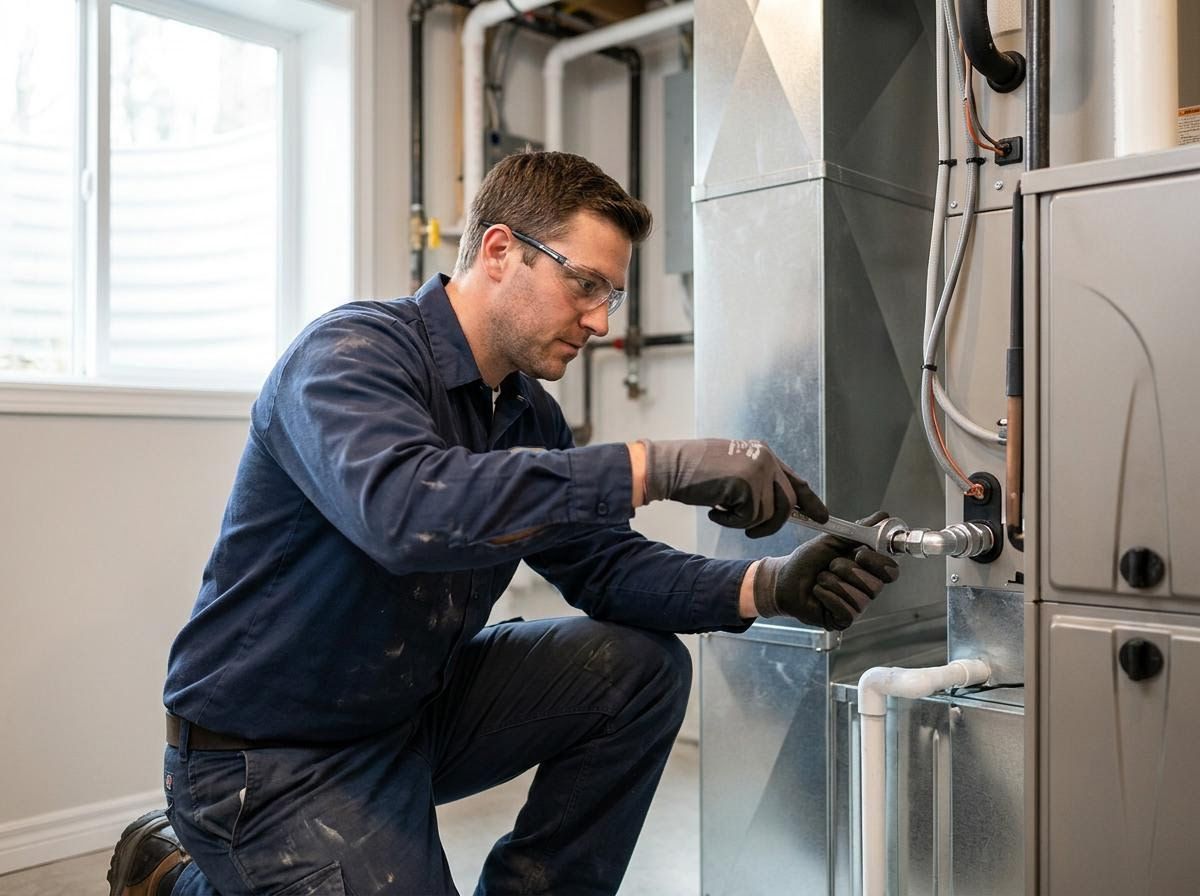
The direct impact of no-flare technology on HVAC efficiency is profound. By eliminating the variables and potential weaknesses associated with brazing and flaring, systems can achieve and maintain optimal performance from day one. A secure metal-to-metal bond prevents even microscopic refrigerant leaks, which are a common cause of diminished efficiency and increased energy consumption. Furthermore, the speed and simplicity of installation dramatically reduce labor time on site, allowing contractors to complete projects faster and with greater confidence in the integrity of their work. This leads to more reliable HVAC systems, fewer service calls, and greater satisfaction for both contractors and end-users.
Prioritizing Safety and Consistency on the Job Site
Beyond efficiency gains, no-flare technology significantly boosts safety standards for HVAC professionals. By removing the need for open flames and hazardous chemicals, the risks of fire and injury on the job site are drastically reduced. This not only protects contractors but also minimizes potential damage to expensive equipment and properties. The inherent consistency of a factory-engineered metal-to-metal bond ensures that every connection meets the highest quality standards, regardless of the individual contractor's skill level. This translates to predictable, high-performance installations every time, reinforcing trust and professionalism within the industry.
Embracing advanced no-flare technology is a pivotal step towards a more efficient, safer, and reliable future for the HVAC industry. By providing a superior metal-to-metal bond for refrigerant pipe and refrigerant lines, this innovation addresses critical industry pain points, from installation hazards to long-term system integrity. SmartLock is dedicated to advancing these cutting-edge solutions, helping professionals achieve unparalleled quality in every HVAC installation. Learn more about how these innovative fittings can transform your next HVAC project.